







Energy Reliability Has Long Been Top Priority for BCW
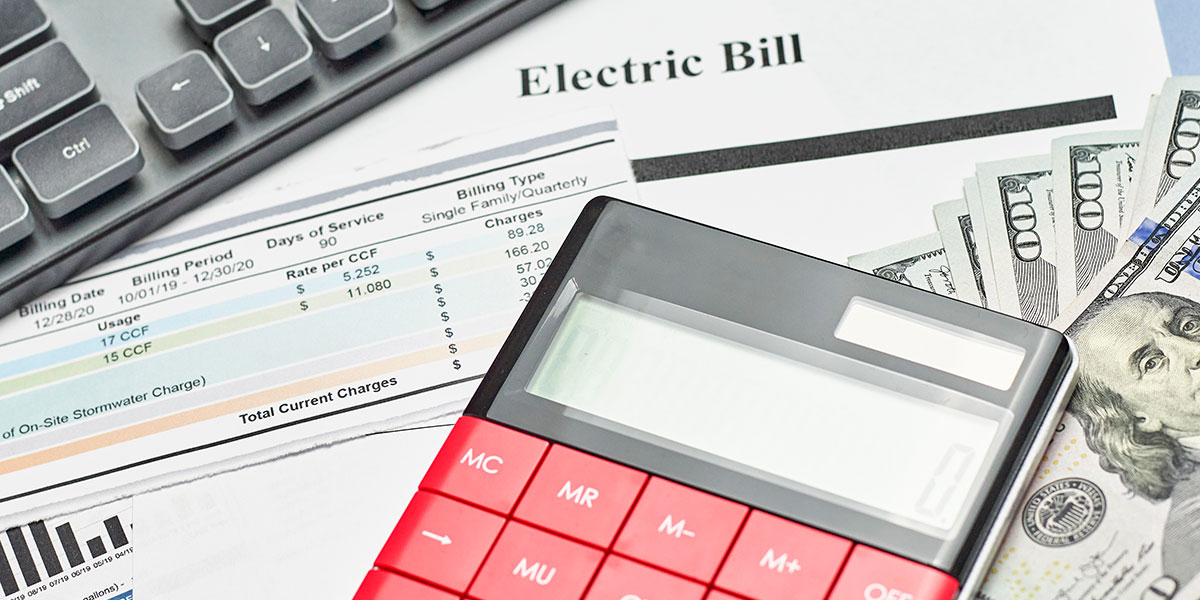 Recent soaring electric rate hikes by Con Edison have customers seething and legislators demanding answers. The controversy over Con Ed’s electric rates erupted earlier this month when many residents received monthly electric bills in which the charges for the supply of electricity in some cases tripled.
Those who depend on Con Edison for their energy supply saw their charges rise from 6 cents per kilowatt/hour to 17 cents. The cause for the rate hike was blamed on cold December and January weather which increased demand for power as well as a reliance on electricity powered by generation in plants that burned natural gas.
What’s interesting is that these skyrocketing utility costs were forecast by the Business Council of Westchester some ten years ago in a report on the impact of closing of Indian Point. The report titled “An Assessment of Energy Needs in Westchester County,” noted that electric rates could increase by 6.3 percent or more if the Indian Point is closed. “Consumers will pay over $374 million per year in added electric charges” the report predicted.
This past December, the BCW hosted a major energy conference that assembled local energy experts to discuss how New York will achieve aggressive carbon-neutral goals. Bringing Power to Westchester was a four-hour virtual event hosted by BCW Executive Vice President and COO John Ravitz, who kicked off the event by outlining the BCW’s years of energy advocacy, particularly around the debate about the Indian Point Energy Center, which permanently closed in April.
“Now we have no choice but to make sure we build that renewable energy infrastructure….to make sure we don’t have the same problems we’ve seen in California and Texas,” said Ravitz at the conference, referring to news reports assessing New York’s ability to keep power flowing during extreme heat or cold weather.
Many of the speakers discussed the challenges New York will face to meet the state’s aggressive emission-reduction standards. Others discussed the network of new infrastructure required for solar- and wind-energy production, and the need for public acceptance. “We face real reliability concerns if we don’t build the renewable-energy infrastructure,” said Ravitz. “Communities in Westchester and elsewhere can’t use environmental reviews and legal roadblocks to prevent these projects from being built. NIMBY cannot be allowed to play a role in this process,” said Ravitz adding, “If communities block these renewable-energy infrastructures from being built, we will face a reliability scenario that will be detrimental to the businesses and residents of Westchester County.”
Similar News Items
BCW Member WMCHealth hosted its Annual Legislative Breakfast on Tuesday featuring twenty government officials from federal, state, county and local levels. The focus was on ensuring that access to care continues to be at the forefront of the national, state and regional health care conversation, while noting that WMCHealth plays a vital role as a […]
The City of Yonkers is ready for its close-up. Yonkers Mayor Mike Spano and Emmy Award-Winning Producer / Great Point Studios Founder, Robert Halmi were on hand on July 1 at Times Square for the debut of a large digital billboard positioning Yonkers as “Hollywood on Hudson,” a brand which is copyrighted. With a surge […]
The Westchester Innovation Network (WIN), an initiative of the Business Council of Westchester (BCW), is proud to announce the successful outcome of a research project between CatchU® and BCW Member Burke Rehabilitation Hospital in White Plains. JET Worldwide Enterprises Inc. (JET), a startup company developing CatchU received the top $10,000 grant from the BCW in […]
Become A Member
Join the county’s largest and most influential business organization today.
JOIN NOW!
Leave a Comment
You must be logged in to post a comment.